Jarvis wins the Jinba Award at a hackathon judged with Garry Tan
July 5, 2026
On July 5, 2026, I took part in c0mpiled (gstack x gbrain Hackathon #2), an AI hackathon at Ritsumeikan University’s Osaka Ibaraki Campus. Jarvis, the product my team built, won the Jinba Award, presented by Shoya Matsumori, CEO of Jinba (YC W26).
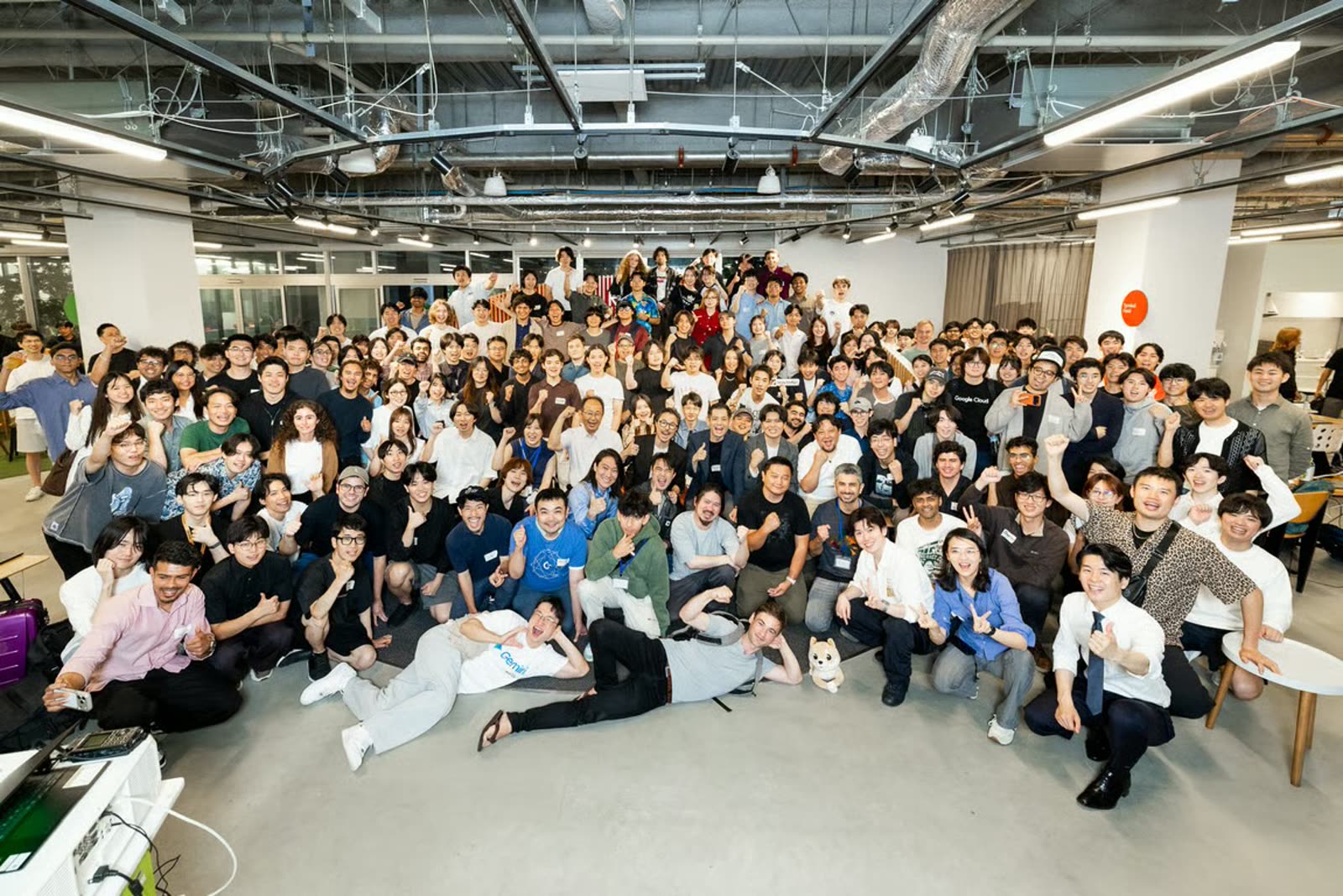
The hackathon
c0mpiled is a hackathon series that brings AI startups together with Japanese students and engineers to build. This edition was held in Osaka with Ritsumeikan University and Osaka University, right after IVS in Kyoto. There were 238 registrations, more than 200 participants and 55 projects, and 11 prizes were awarded.
Garry Tan, President & CEO of Y Combinator, came to the venue and was listed among the sponsors and judges. AI startups including Jinba, Shisa AI and Outerport each offered an award under their own name.
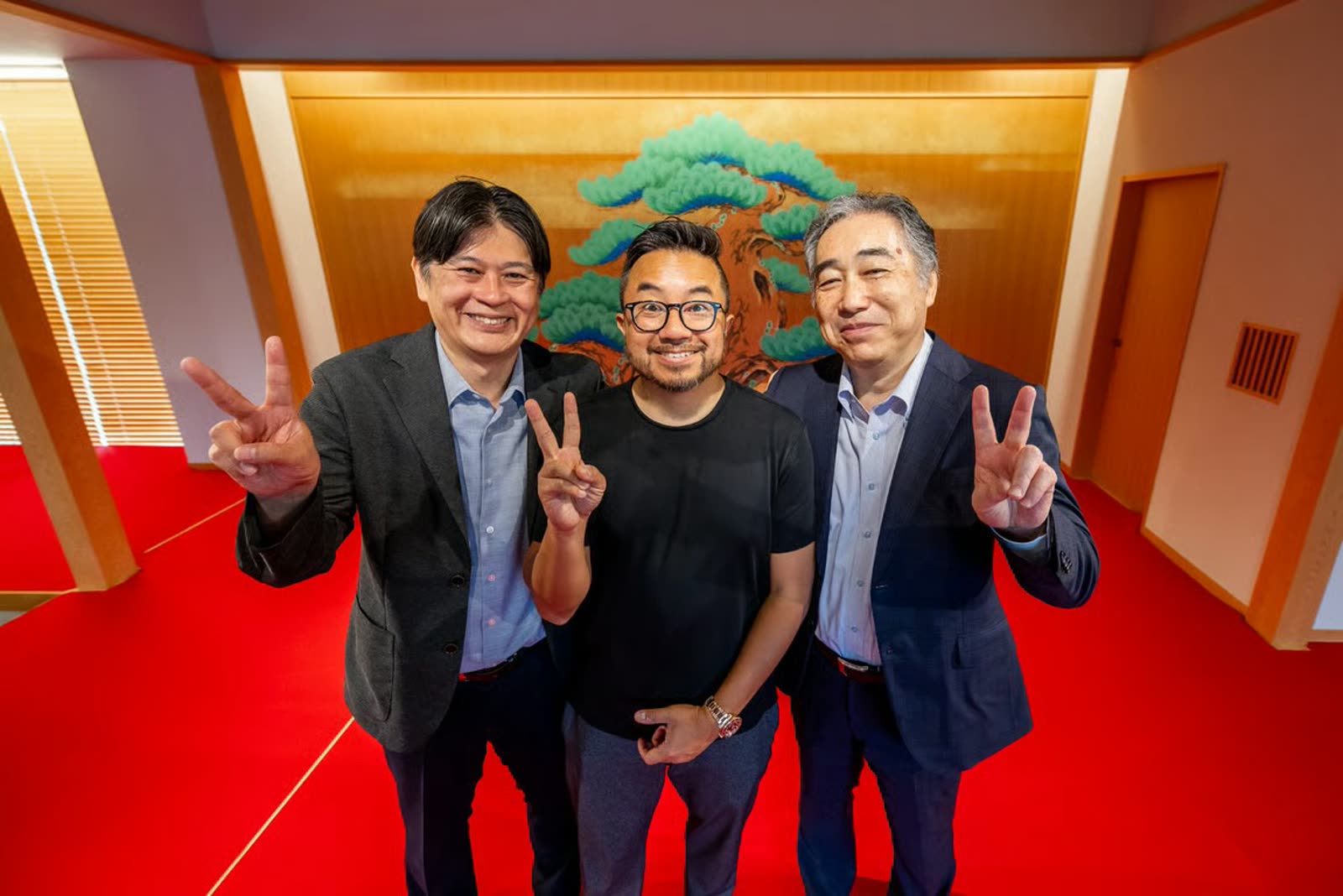
What we built
Agents finish their work in seconds, then make you read an essay. Jarvis is our answer to that. It turns any model into one that answers in UI instead of text, and lets any agent render into that UI.
Ask for “a widget with live NVDA, GOOG and AAPL prices,” and it fetches real prices and shows them with a stamp of when they were fetched. Say “add Tesla to that,” and it adds a row to the existing window instead of starting over. Say “make it neon cyberpunk,” and the whole canvas recolors on the spot. Other agents, such as Claude Code, can draw their own windows into the canvas over MCP.
We built it against two topics from YC’s Request for Startups: Software for Agents and Dynamic Software Interfaces.
Compiled, not generated
When a model writes UI code directly, the result is flexible but inconsistent, impossible to validate, and often “dead” — clicks don’t send anything back to the agent. In Jarvis, the model only writes a blueprint using a closed set of 14 UI primitives (table, chart, timeline, map, diff, approval and more) and 6 ways to combine them. A deterministic renderer then turns that blueprint into the interface, the same way every time.
I built that renderer and the Gate, the primitive where a person reviews and approves. The renderer never runs code the model wrote, and an unknown part falls back to a plain card instead of crashing. Approvals go back to the agent as structured, auditable events, not chat messages. The idea that nothing leaves without a person’s approval is the same one I rely on in the agents I use every day.
The Jinba Award
The award came from Shoya Matsumori, CEO of Jinba, a YC W26 company. Out of 200+ participants and 55 projects, it meant a lot to have our idea — rethinking the interface between agents and people — recognized.
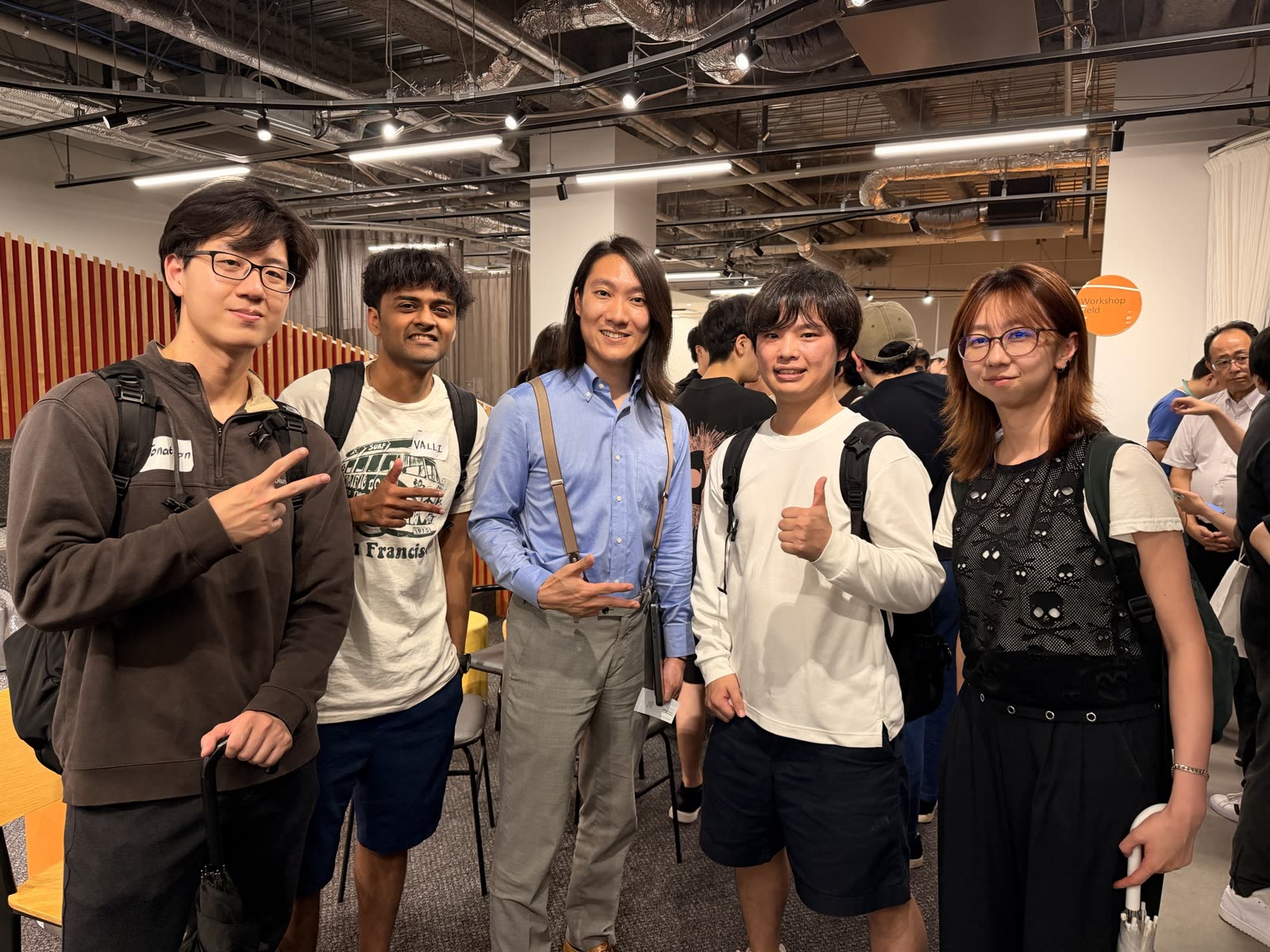
However fast and smart agents become, people still make the final call, and how that decision is shown will only matter more. At PhaseShift, I keep working on that same question inside Company OS, where organizations’ agents work with each other and people review and approve.
Results: gstack x gbrain Hackathon #2